
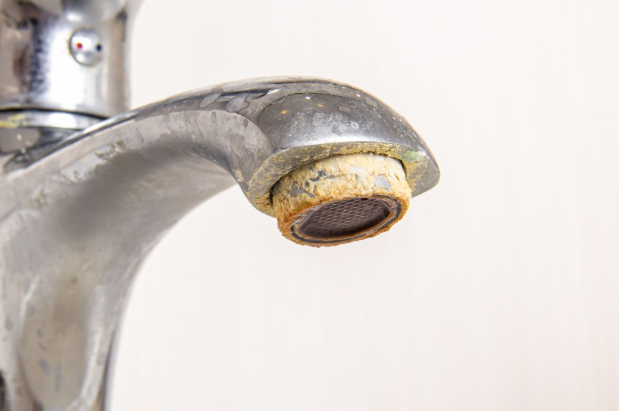
Hard water is a common issue in many homes, but its effects often go unnoticed until plumbing problems begin to appear. While hard water is generally safe to drink and use, it contains high levels of minerals such as calcium and magnesium. As water flows through your plumbing system, these minerals can leave behind deposits that gradually accumulate inside pipes, fixtures, and appliances.
Over time, this buildup can affect water pressure, reduce efficiency, and shorten the lifespan of important plumbing components. Understanding how hard water impacts your plumbing system can help you recognize the warning signs early and take steps to prevent costly repairs.
Hard water forms when groundwater passes through limestone, chalk, and other mineral-rich deposits before entering municipal water systems or private wells. During this process, the water absorbs minerals, primarily calcium and magnesium.
The higher the concentration of these minerals, the “harder” the water becomes. Although hard water is not typically harmful to your health, it can create challenges for plumbing systems and water-using appliances throughout your home.
One of the most noticeable effects of hard water is the formation of limescale. This chalky mineral residue develops as water evaporates, leaving behind deposits that can accumulate over time.
Many homeowners live with hard water for years before realizing it. Fortunately, there are several common signs that may indicate hard water is present.
One of the biggest concerns with hard water is the impact it can have on your plumbing pipes. Every time water flows through the system, small amounts of minerals can cling to the interior walls of the pipes.
Over the years, these deposits continue to grow, gradually narrowing the available space for water to travel. This process can reduce flow rates and force your plumbing system to work harder than necessary.
Common pipe-related issues caused by hard water include:
Water heaters are among the appliances most affected by hard water. As water is heated, dissolved minerals separate and settle at the bottom of the tank or attach to heating elements.
This buildup creates a barrier between the heating source and the water, forcing the system to work harder to maintain the desired temperature. As a result, efficiency declines and energy consumption often increases.
Hard water can affect appliances in several ways:
Hard water can directly impact monthly utility costs. When mineral buildup affects pipes, fixtures, and appliances, systems often require more energy and water to perform everyday tasks.
For example, a water heater coated with scale deposits must use additional energy to heat water efficiently. Similarly, restricted pipes can make plumbing systems less effective overall. Hard water may contribute to higher expenses through:
The good news is that homeowners can take steps to reduce the impact of hard water and protect their plumbing systems. Some of the most effective strategies include:
Homeowners experiencing persistent hard water concerns may also benefit from evaluating their overall plumbing system and water treatment options.
Hard water is not always an emergency, but certain signs may indicate it’s time to take action. If you notice recurring plumbing issues, significant mineral buildup, declining water pressure, or increasing utility bills, hard water could be causing more damage than you realize.
The sooner these issues are addressed, the easier it is to prevent long-term damage to pipes, fixtures, and appliances. In many cases, expert plumbing service can help uncover mineral buildup that may not be visible from the surface.
Hard water may seem like a minor inconvenience, but over time, it can affect your pipes, water heater, fixtures, and household appliances. Understanding the warning signs and addressing problems early can help protect your plumbing system and reduce unnecessary repair costs.
If you’re experiencing plumbing issues or are concerned about the effects of hard water in your home, contact IT Landes Home Service Team today. Our experienced team can evaluate your plumbing system and help you find solutions that support long-term performance, efficiency, and reliability.