
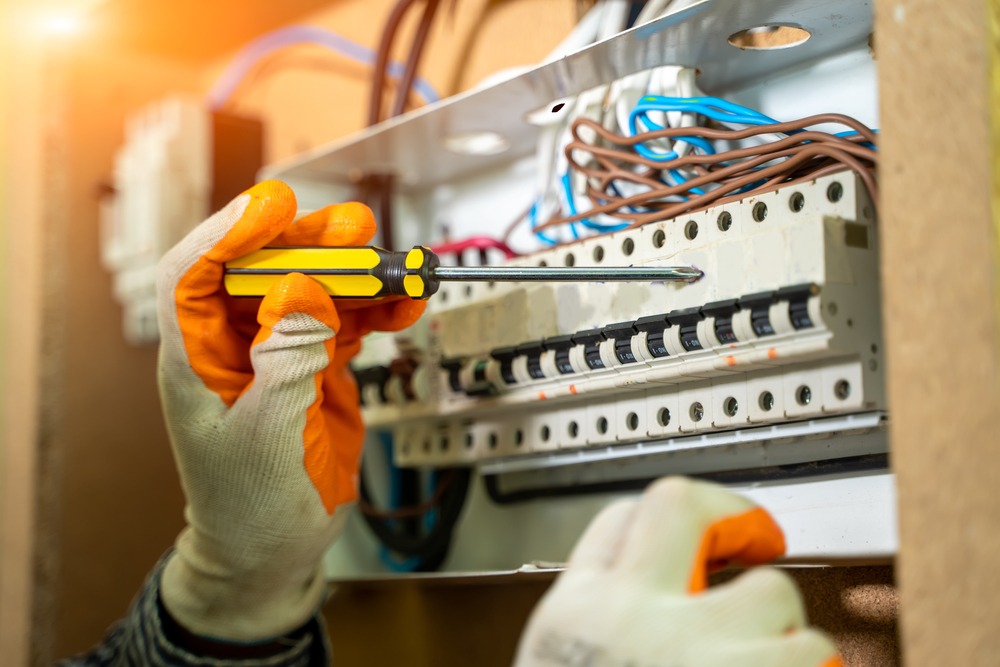
Your electrical panel is one of the most important components of your home’s electrical system, yet it’s easy to overlook until a problem occurs. Every light, outlet, appliance, and electronic device depends on the panel to distribute electricity safely and efficiently throughout your home. As modern households continue adding larger appliances and smart technology, older electrical panels may struggle to keep up with the increased demand.
An overloaded or outdated panel doesn’t always fail without warning. In many cases, it shows subtle signs that something isn’t right long before a complete electrical issue develops. Recognizing these warning signs early can help improve safety, reduce interruptions, and prevent more costly electrical repairs in the future.
Often called a breaker panel or service panel, the electrical panel distributes electricity safely throughout your home and protects circuits from overloads and electrical faults. As modern households rely on more appliances, electronics, and smart devices than ever before, older panels may no longer have the capacity to meet today’s electrical demands.
One of the most common signs of an overloaded electrical panel is a circuit breaker that trips repeatedly. Circuit breakers are designed to protect your home by shutting off power whenever a circuit draws more electricity than it can safely handle. While an occasional trip isn’t unusual, frequent breaker trips often indicate a larger issue.
If you constantly find yourself resetting breakers while using everyday appliances, your electrical panel may no longer have enough capacity for your household’s electrical demand. This is especially common in older homes where the original panel wasn’t designed for today’s lifestyle.
Rather than simply replacing breakers or avoiding certain appliances, it’s important to identify the underlying cause. A professional inspection can determine whether the problem is limited to a single circuit or whether your electrical panel is reaching the limits of its capacity.
Lights that flicker or dim occasionally during a storm may not be a cause for concern. However, if your lights noticeably dim every time the microwave starts, the air conditioner turns on, or another large appliance begins operating, your electrical system may be struggling to distribute power effectively.
This happens because larger appliances require a significant amount of electricity during startup. If your electrical panel cannot meet that demand efficiently, power fluctuations may occur throughout the home.
Although loose wiring, faulty fixtures, and other electrical problems can also cause flickering lights, recurring voltage fluctuations should always be evaluated to determine whether the electrical panel is contributing to the problem.
Many older homes still rely on fuse boxes instead of modern circuit breaker panels. While fuse boxes were considered safe when they were installed, they generally weren’t designed to support the electrical demands of today’s households.
Unlike circuit breakers, blown fuses must be replaced every time they interrupt a circuit. In some cases, homeowners may install oversized fuses in an attempt to prevent frequent outages, which can create significant safety concerns.
Your electrical panel should never produce a burning smell or feel unusually warm to the touch. These warning signs may indicate overheating components, loose electrical connections, or circuits carrying more power than they were designed to handle.
If you notice a burning odor near the panel, hear buzzing sounds, or see discoloration around breakers, don’t ignore the problem. Turn off power if it’s safe to do so and have the system inspected as soon as possible. Addressing these issues early can help prevent more serious electrical damage and reduce potential safety risks.
An electrical panel that worked well when your home was built may no longer have the capacity needed for today’s electrical demands. Home renovations often include additional lighting, outlets, kitchen appliances, home offices, or workshop equipment, all of which increase the amount of electricity your home requires.
Installing larger appliances, such as an electric vehicle charger, hot tub, or upgraded HVAC system, may also require additional electrical capacity. Planning ahead with an electrical evaluation can help ensure your system is ready to safely support these improvements.
An upgraded electrical panel does more than increase capacity. It helps improve the overall safety, reliability, and flexibility of your home’s electrical system while preparing it for future electrical needs.
Some of the benefits include:
Electrical problems rarely improve on their own. If you’ve noticed recurring breaker trips, flickering lights, unusual noises from the panel, or difficulty adding new appliances, it’s a good idea to have your electrical system evaluated. A timely inspection can identify developing issues before they affect your home’s safety or result in more extensive repairs.
You should consider scheduling an inspection if:
Your electrical panel plays a vital role in keeping your home powered safely and efficiently. As your household’s electrical needs continue to grow, recognizing the warning signs of an overloaded or outdated panel can help you avoid unnecessary interruptions and improve overall safety. Addressing concerns early also makes it easier to plan future upgrades and maintain reliable electrical performance.
If you’re experiencing recurring electrical issues or think your panel may no longer meet your home’s needs, an evaluation can help determine the most appropriate solution. Whether the issue requires repairs or a complete upgrade, addressing it promptly can help protect both your home and your electrical system.
If you’ve noticed signs that your electrical panel may be struggling to keep up, don’t wait until a larger problem develops. IT Landes Home Service Team helps homeowners throughout Montgomery and Bucks Counties evaluate their electrical systems and recommend solutions that support long-term safety, reliability, and performance. Contact us today to schedule an electrical inspection and learn whether your home could benefit from an electrical panel upgrade.